

 Back to Blogs
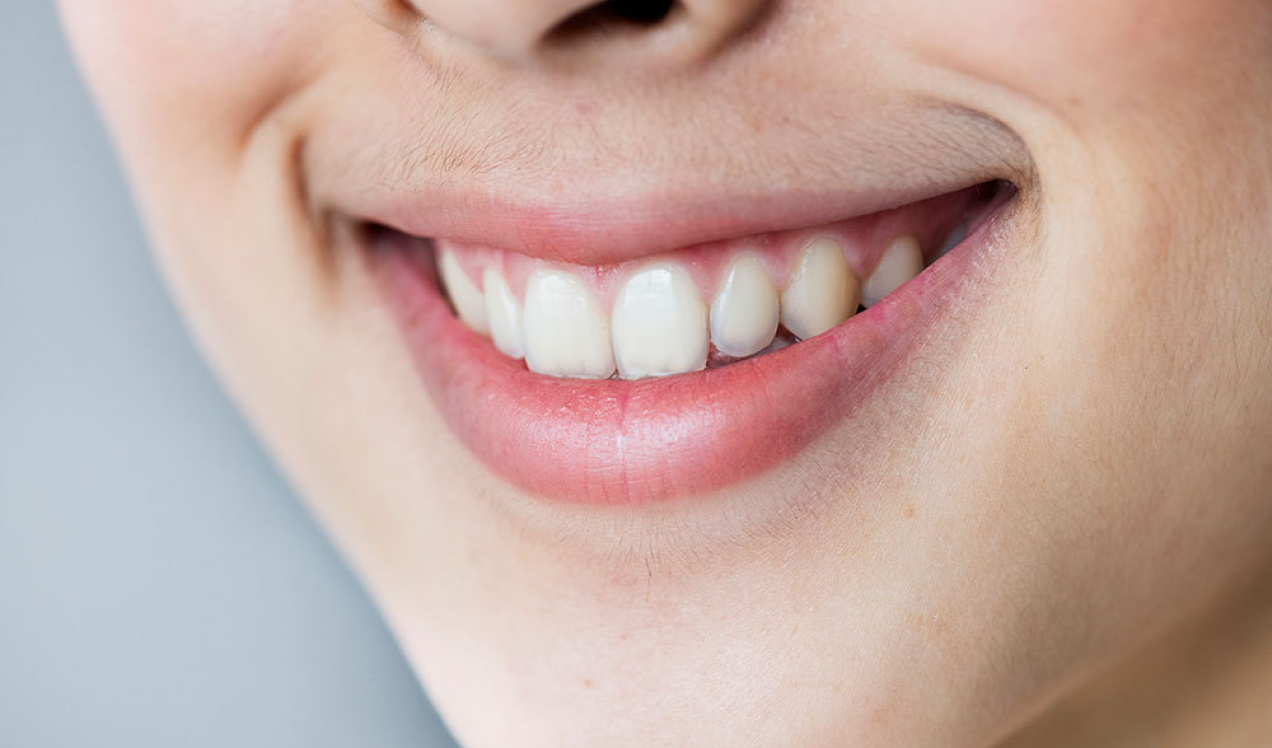
Veneers can change the colour, shape and size of the teeth you show when you smile, but the cost varies a lot from one person to the next. This guide explains what Australian fee data shows, why quotes differ, what clinical research says about how long veneers last, and what to check before you commit.
How much do veneers cost in Australia?
Veneers are usually priced per tooth, so your total depends mainly on the material used and how many teeth are treated. Dental fees also vary widely between clinics, which is why quotes for what sounds like the same treatment can look very different.
The most widely referenced independent fee data in Australia comes from the Australian Dental Association’s (ADA) Dental Fees Survey. According to the 2022 survey, patients in New South Wales paid around $800 or more per tooth for a composite veneer and around $1,950 or more per tooth for a porcelain veneer [1].
These figures are now several years old, so a quote today is likely to be higher. Australian Bureau of Statistics (ABS) data shows the price of dental services increased 4.3% in the year to June 2024 and 2.1% in the year to June 2025 [2]. Across the wider economy, consumer prices increased by about 17% between June 2022 and June 2026 [3]. As a rough guide only, applying that general inflation rate would put the 2022 figures at around $930 per tooth for composite and around $2,270 per tooth for porcelain, although dental fees do not necessarily move in line with general inflation.
All of these figures are general guides. They are not Greville Rd Medical & Dental fees, and the ADA figures above are for New South Wales, so Victorian fees may differ. The only way to get an accurate figure for your smile is a personalised examination. Your dentist needs to check your teeth, gums and bite before recommending a material or giving you a quote.
Composite versus porcelain: what changes the price?
Composite resin veneers are built up in layers directly on the front of the tooth, then shaped and polished, usually in a single visit. Composite resin is the same material used for white fillings. Because no laboratory is involved, the upfront cost is lower.
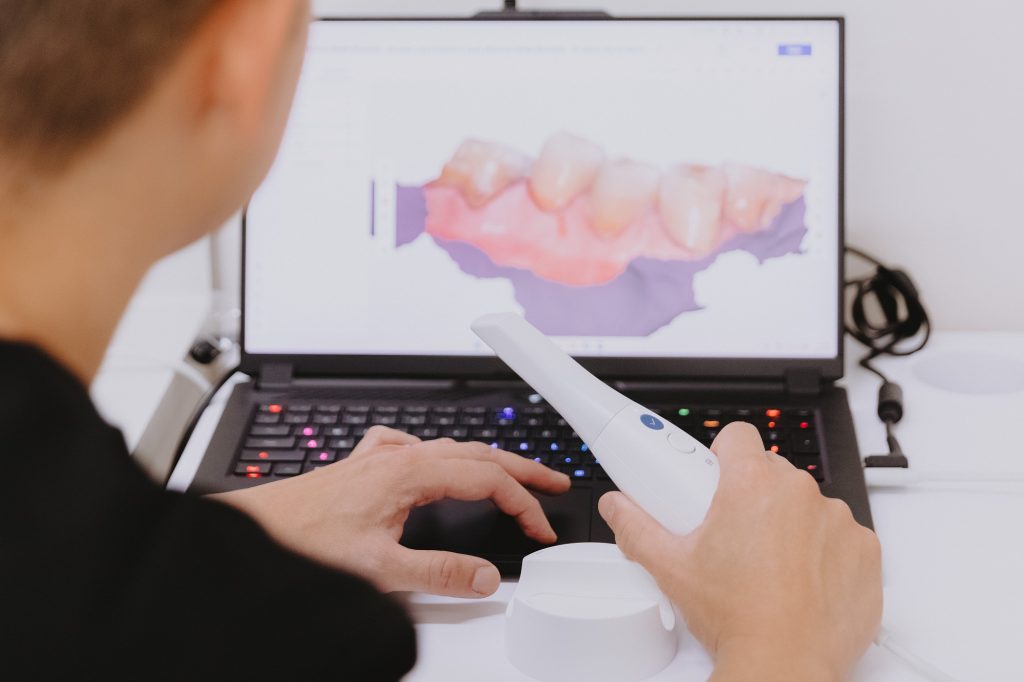
Porcelain (ceramic) veneers are custom made in a dental laboratory, or in some practices with in-surgery milling technology, and usually need a second appointment to fit. The extra fabrication, materials and appointment time are reflected in the price.
The price gap also reflects how each material performs. Porcelain veneers can look more realistic and last longer than composite veneers, but they are more expensive.
Why might your total veneer cost differ from someone else’s?

Two people can leave a consultation with very different quotes, and both can be accurate.
The number and size of the teeth being treated has the biggest effect. One veneer to correct a single chipped or discoloured tooth is a very different job from four, six or more veneers across the front of your smile.
The health of your teeth and gums matters too. Veneers may not be suitable if you grind or clench your teeth or if you have gum disease, and veneers do not fix tooth decay or problems with your bite. If any of these need attention first, that treatment is planned and costed separately, and in some cases the findings change whether veneers are suitable at all.
Planning and craftsmanship also play a part. Your dentist matches the colour of the veneers to your surrounding teeth so they look as natural as possible. Choosing the right shade and shape, the laboratory work for porcelain, and the time it takes to match a veneer to the natural teeth beside it can all influence a quote.
When comparing prices, separate the per-tooth fee from the complete treatment cost. The per-tooth figure tells you what one veneer costs. The complete cost reflects everything in your individual treatment plan. Asking for the item numbers on your quote makes it easier to compare like with like.
Looking beyond the upfront cost
Veneers are a long-term commitment. They may need to be replaced due to chips, fractures or changes in colour over time, so it helps to think about the cost across the years rather than the first bill alone. Composite costs less upfront, but porcelain tends to last longer, which can narrow the gap over time.
What the research says about porcelain veneers

Porcelain veneers have a strong clinical track record. A 2021 systematic review of 25 clinical studies, covering 6,500 porcelain veneers, estimated that 95.5% were still in service after 10 years [4]. An earlier meta-analysis reported an overall survival rate of 89% over a median follow-up of nine years [5]. Where problems did occur, they tended to appear in the first few years, most often as a chip or a veneer coming loose, which is why follow-up visits matter. If you grind or clench your teeth, let your dentist know so they can plan your treatment around it.
These are averages across many patients, not predictions for any one person, and no lifespan should be treated as a guarantee.
Getting the most from your veneers

Caring for veneers is much like caring for natural teeth. Brush and floss as usual, and keep up regular check-ups so your dentist can monitor the veneers and the teeth beneath them. A few things are worth knowing upfront: some people notice mild sensitivity after their teeth are prepared, and the colour of a veneer is set once it is bonded, so mention any plans for whitening before your veneers are colour-matched. For some concerns, whitening, bonding or orthodontics may give you the result you want, and your dentist will talk you through every option at your assessment.
What should you check in a veneer quote?

Ask your dentist how much the treatment will cost, ask for the item numbers so you can compare prices, and ask whether there are less expensive alternatives. When you receive a veneer quote, also check:
- Which material is proposed, composite or porcelain
- How many teeth are included
- How much preparation of your natural teeth is planned
- Whether planning, temporary veneers (if needed), placement and follow-up visits are included
If your dentist recommends treatment before veneers, such as fillings or gum care, ask for it to be listed separately with its own cost so you can see the full picture.
Because porcelain veneers involve preparing the natural tooth, they are a long-term decision. Your dentist will take you through the benefits, risks and costs, and give you time to decide.
Medicare does not cover most dental care, and the Child Dental Benefits Schedule does not cover cosmetic dental work. Private health fund benefits depend on your policy, the reason for treatment and the item numbers involved. Extras policies differ in their waiting periods and annual limits for major dental, so check with your fund using the item numbers on your quote before going ahead. You can compare policies on the Australian Government’s privatehealth.gov.au.

At Greville Rd Medical & Dental in Rosanna, we start with an assessment of your teeth and gums, listen to what you would like to change, and give you a treatment plan with costs so you can decide in your own time, without pressure or judgement. Find out more about veneers at our Rosanna clinic.
Frequently asked questions
What is the 4 8 10 rule for veneers?
It is not a clinical rule. “4, 8 or 10” refers to common numbers of veneers placed on the visible upper teeth, with smaller numbers focusing on the very front teeth and larger numbers extending further across the smile. You do not need to buy veneers in a set. The number your dentist recommends depends on the width of your smile, which teeth show when you talk and smile, and what you want to change.
How much is a full set of veneers in Aus?
A “full set” usually means the upper teeth visible when you smile, not every tooth in your mouth. To estimate a total, multiply the number of veneers proposed by a per-tooth figure. Using the 2022 ADA figures, eight composite veneers at around $800 each would be roughly $6,400, and eight porcelain veneers at around $1,950 each would be roughly $15,600 [1]. Allowing for general inflation since then [3], those totals would be closer to $7,500 and $18,200. Please note, these are not Greville Rd Medical & Dental fees but just cited as a guide. Treat these as a starting point only, as they do not include any treatment needed beforehand. There is no standard package price, so a personal quote is the only reliable figure.
Are veneers worth the money?
For many people they are. Veneers can change the colour, shape and size of teeth in ways whitening or bonding alone cannot, and porcelain veneers can last many years with good care. Weigh the cost against the tooth preparation involved and future maintenance, and your dentist can tell you whether veneers or a simpler option best suits your goals.
Can composite veneers last 20 years?
Dental work sometimes lasts longer than expected, but it is not realistic to budget on composite veneers lasting 20 years without repairs or replacement. Porcelain generally lasts longer than composite, and any veneer may need replacing because of chips, fractures or colour changes over time. Wear, staining, bite forces, grinding and how well you care for them all affect how long they last.
How much of my natural tooth is removed for veneers?
Usually only a thin layer of enamel, and composite veneers may need little or no preparation. Some people notice mild sensitivity afterwards. Because porcelain veneers involve removing some enamel, they are considered a permanent choice, so your dentist will explain exactly what is planned before you consent.
This article is general information only and is not a substitute for advice from your dentist. Suitability, treatment and costs depend on an individual assessment.
References
[1] Australian Dental Association, Dental Fees Survey 2022, as reported by Finder. How much do veneers cost in Australia? https://www.finder.com.au/cost-of-veneers
[2] Australian Bureau of Statistics. Consumer Price Index, Australia, June Quarter 2025. https://www.abs.gov.au/statistics/economy/price-indexes-and-inflation/consumer-price-index-australia/jun-quarter-2025
[3] Australian Bureau of Statistics. Consumer Price Index, Australia, June 2026. https://www.abs.gov.au/statistics/economy/price-indexes-and-inflation/consumer-price-index-australia/jun-2026
[4] Alenezi A, Alsweed M, Alsidrani S, Chrcanovic BR. Long-term survival and complication rates of porcelain laminate veneers in clinical studies: a systematic review. Journal of Clinical Medicine. 2021;10(5):1074. https://pmc.ncbi.nlm.nih.gov/articles/PMC7961608/
[5] Morimoto S, Albanesi RB, Sesma N, Agra CM, Braga MM. Main clinical outcomes of feldspathic porcelain and glass-ceramic laminate veneers: a systematic review and meta-analysis of survival and complication rates. International Journal of Prosthodontics. 2016;29(1):38-49. https://pubmed.ncbi.nlm.nih.gov/26757327/


