

 Back to Blogs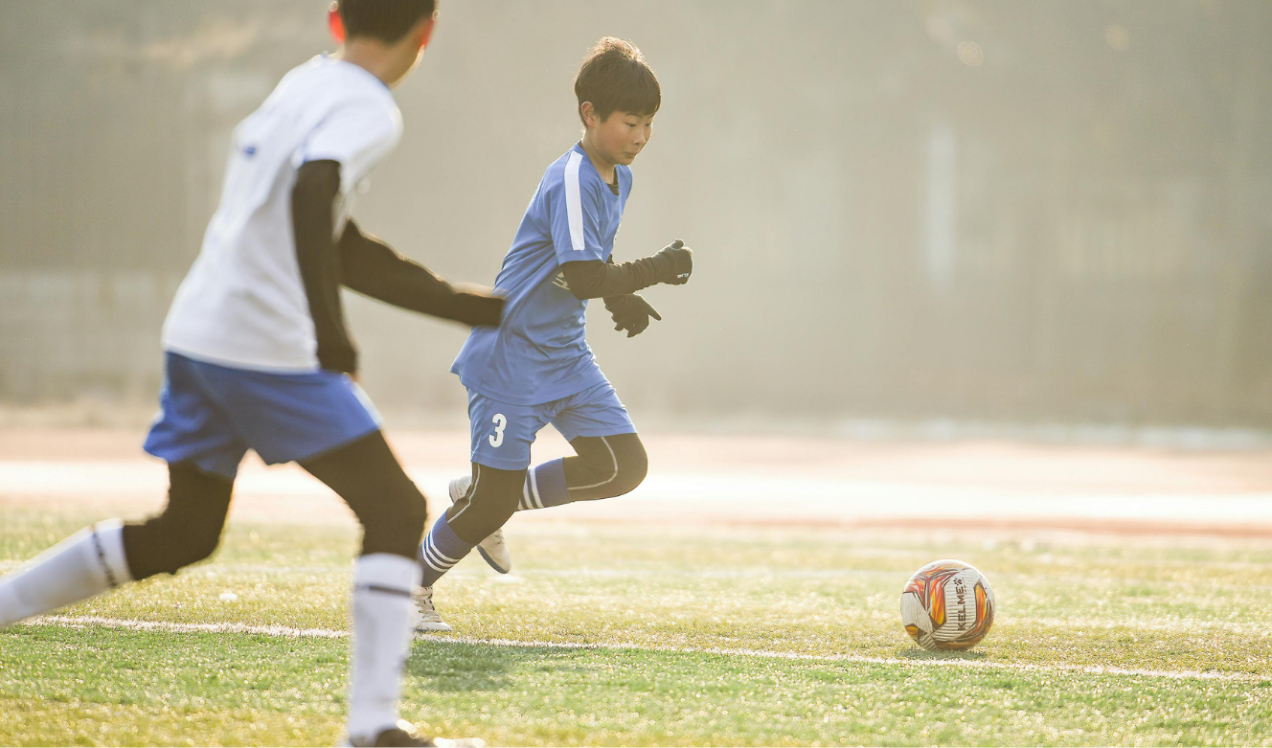
With the roar of the crowd back in the air and the smell of freshly cut grass, sports season is officially in full swing. While we love seeing the community active, the “clash of the titans” on the field often leads to a few unintended clashes in the clinic.
Recently, I saw a young player who had a tumble during a match. His tooth had been pushed upwards and felt loose, and there was some minor bleeding and torn gum tissue. Luckily, his parents were prudent and brought him in immediately. While he didn’t require major intervention, his case serves as a perfect reminder: in dental trauma, what you do in the first hour—and how you monitor the injury later—makes all the difference.
Quick Guide to Dental Injuries
When a “dental incident” happens on the field, it usually falls into one of these categories. Here is how to spot them and what they mean for the future.
| Injury Type | What happened? | Immediate Action | Long-term Watch |
| Concussion | Tooth is bumped but hasn’t moved or loosened. | Monitor for pain. Soft diet for a few days. | Nerve death (discolouration). |
| Subluxation | Tooth is loose but still in its original position. | Gentle cleaning. See a dentist to check for fractures. | Potential root resorption. |
| Extrusion | Tooth looks longer; it has been pulled partially out. | Urgent. Dentist may need to reposition and splint it. | Nerve damage is common. |
| Lateral Luxation | Tooth is pushed sideways (forward or back). | Urgent. Requires professional repositioning. | High risk of the nerve “dying.” |
| Intrusion | Tooth is pushed up into the gum/bone. | Do not pull it! See a dentist immediately. | Risk of fusion to the bone (ankylosis). |
| Avulsion | The tooth is knocked completely out. | Emergency. See below for the “Golden Hour.” | Potential for tooth loss if not replanted fast. |
The “First Aid” Essentials
If your child takes a hit to the mouth, follow these steps to manage the wound and prevent infection:
- Stop the Bleed: Apply firm, steady pressure with clean gauze or a handkerchief for 5–10 minutes.
- Clean the Area: Gently rinse the mouth with water or an antiseptic mouthwash to clear debris.
- Soft Diet: Stick to “no-chew” foods (smoothies, pasta, yoghurt) for at least a week to allow the ligaments to heal.
- Hygiene is Key: Use a very soft toothbrush to keep the area clean. Plaque buildup is the enemy of healing tissue.
The “Golden Hour”: Saving a Knocked-Out Tooth
If a permanent tooth is knocked completely out (Avulsion), the clock starts ticking immediately. The goal is to keep the “PDL” cells on the root alive.
- The 60-Minute Window: Replanting the tooth within an hour gives it the highest chance of re-attaching to the bone.
- Pick it up by the Crown: Never touch the root. You want to avoid damaging the delicate living fibers.
- The Best “Storage” Liquids: If you can’t put the tooth back in the socket immediately, place it in:
- Cold Milk: This is the gold standard for keeping the cells alive.
- Saliva: Have the patient spit into a cup or hold the tooth inside their cheek (only if they are old enough not to swallow it!).
- Saline: Contact lens solution works in a pinch.
- Avoid Tap Water: Long-term exposure to plain water can actually damage the root cells.
A Note on Baby Teeth
It is important to remember: Never attempt to replant a baby tooth. Pushing a baby tooth back into the socket can damage the permanent adult tooth developing underneath it. If you aren’t sure if it’s a baby or adult tooth, keep it in milk and head straight to the clinic!
What to Watch Out For
Even if a tooth looks fine a week later, dental trauma can have “delayed” symptoms. Keep an eye out for:
- Colour Changes: If the tooth turns grey, yellow, or dark pink.
- Gums: Any “pimples” or swelling on the gums above the tooth.
- Sensitivity: Increased pain when eating hot or cold foods.
The best defense is a good offense—ensure your athletes are wearing a professionally fitted mouthguard. It’s a small investment that saves a lot of weekend trips to the clinic!
Wishing everyone a safe and successful season.


